Raynes Park Upholstery and Rug Cleaning in Merton: A Practical Guide for Cleaner, Fresher Interiors
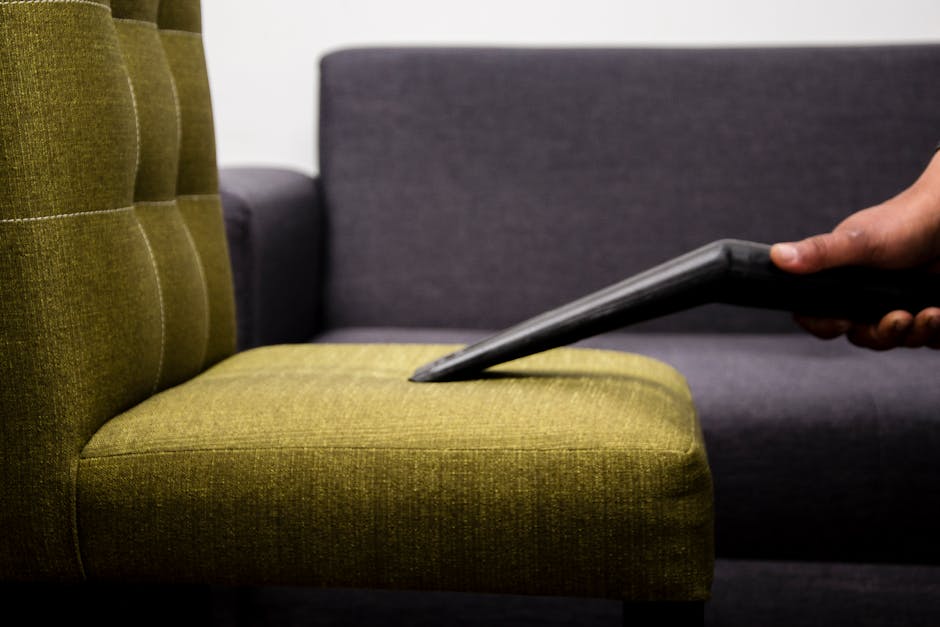
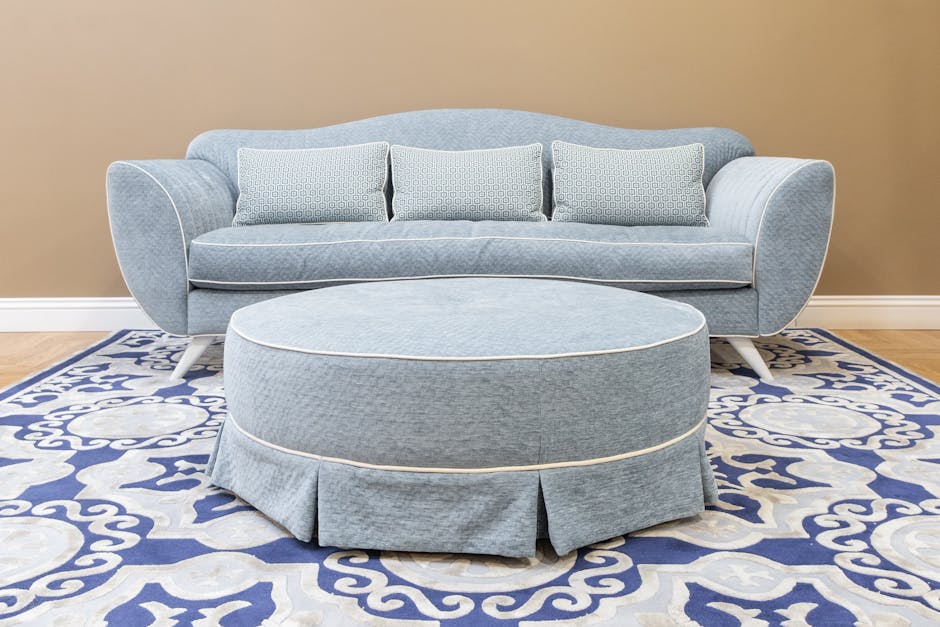
If your sofa is starting to look tired, your dining chairs have picked up everyday marks, or a rug has lost that crisp, lifted feel, you are not alone. Homes and flats in Raynes Park see a lot of life: muddy shoes by the door, pets curling up on the rug, coffee spills that happen in a blink. Raynes Park upholstery and rug cleaning in Merton is about more than making fabrics look nicer. Done properly, it helps protect materials, reduce wear, improve hygiene, and bring a room back to life without that harsh, overdone look. This guide explains how it works, who needs it, what to expect, and how to choose sensible cleaning methods that suit real homes, not showroom fantasies.
For readers exploring local services, it can also help to look at the wider picture of professional cleaning services in Merton and the specific approach behind upholstery cleaning in Merton. That context matters, because the best result is usually a careful match between the fabric, the fibre, the stain, and the room it lives in.
Table of Contents
- Why Raynes Park upholstery and rug cleaning in Merton Matters
- How Raynes Park upholstery and rug cleaning in Merton Works
- Key Benefits and Practical Advantages
- Who This Is For and When It Makes Sense
- Step-by-Step Guidance
- Expert Tips for Better Results
- Common Mistakes to Avoid
- Tools, Resources and Recommendations
- Law, Compliance, Standards, or Best Practice
- Options, Methods, or Comparison Table
- Case Study or Real-World Example
- Practical Checklist
- Conclusion
- Frequently Asked Questions
Why Raynes Park upholstery and rug cleaning in Merton Matters
Soft furnishings carry the daily story of a home. They absorb dust, skin oils, crumbs, pet hair, outdoor grit, and the occasional mystery mark that appears out of nowhere. A rug in a hallway or living room can look clean on the surface while holding debris deep in the pile. Likewise, an armchair or sofa may feel fine until you sit in it on a sunny afternoon and notice the faint smell of damp, food, or everyday use. That is usually the point where proper cleaning starts sounding less like a luxury and more like common sense.
In a busy part of south-west London, that makes particular sense. Raynes Park households often want their interiors to stay smart without replacing furniture too often. And truth be told, good upholstery and rug care can stretch the life of a piece far beyond what casual vacuuming can achieve. It is not about chasing perfection. It is about keeping the fabrics you already own looking presentable, feeling comfortable, and ageing in a slower, more graceful way.
There is also a practical health angle. Dust and allergens can build up in fibres, especially in homes with pets, children, or open windows facing a busy road. Cleaning cannot remove every particle from the air, of course, but it can reduce the amount trapped in the fabric. That can make a room feel fresher, less stuffy, and generally easier to live in.
If you are already thinking about the wider care of your home, the local service pages for carpet cleaning in Merton, domestic cleaning support, and house cleaning in Merton can help you see how upholstery and rug care fits into a bigger maintenance plan. It all connects, really.
How Raynes Park upholstery and rug cleaning in Merton Works
Professional cleaning is not just a bigger vacuum with a fancy label. The process usually starts with identifying the fibre and the construction. Cotton, wool, synthetics, silk blends, jute, viscose, and mixed fibres all react differently to moisture, heat, detergents, and agitation. A cleaner who skips that step is guessing. And guessing with fabric is rarely a good idea.
For upholstery, the first stage is usually inspection. That means checking the label where possible, looking for colour instability, wear spots, stitching issues, and any previous cleaning residue. Rugs are assessed in a similar way, but with extra attention to pile direction, backing, dye stability, and whether the rug has been handwoven, machine-made, or made with delicate natural fibres. This is the point where a thoughtful technician decides whether the job needs hot water extraction, low-moisture cleaning, dry compound treatment, hand cleaning, or a blend of methods.
Most reputable cleaning jobs follow a pattern like this:
- Pre-inspection: assess fibre type, stains, traffic wear, and any fragile areas.
- Dry soil removal: vacuum or low-agitation removal of loose dirt and dust.
- Spot treatment: targeted attention to food marks, drink spills, pet accidents, or grease.
- Main cleaning stage: suitable method selected for the fabric and condition.
- Rinse or residue control: reduce detergent build-up where appropriate.
- Drying and grooming: speed up dry time and restore the look of pile or fibres.
- Final check: review results, explain any remaining issues, and give aftercare advice.
That may sound a bit clinical, but in practice it is usually quite straightforward. A good cleaner works patiently, not aggressively. You should never feel that your sofa has been scrubbed within an inch of its life. If it sounds dramatic, it probably is.
For local readers who want a broader picture of what a provider handles, the about us page and the insurance and safety information are worth a look before you book. It is a small thing, but it builds confidence.
Key Benefits and Practical Advantages
The obvious benefit is a cleaner appearance. But the real value goes a bit deeper than that.
- Better day-to-day presentation: softer colours, brighter fibres, and less visible grime on high-use surfaces.
- Improved comfort: fabrics often feel fresher, softer, and less sticky after deep cleaning.
- Longer material life: removing abrasive dirt can reduce wear from the inside out.
- Odour reduction: useful for pet homes, smoke exposure, food spills, and general lived-in smells.
- More hygienic surfaces: especially useful where children sit, play, or nap on rugs and sofas.
- Better value than replacement: in many cases, cleaning is a smart middle ground before buying new furniture.
There is also a confidence factor. A clean sofa changes how a room feels. You notice it when you walk in with a cup of tea at 7:30 in the evening and the whole space just looks calmer. It is subtle, but real.
For landlords, tenants, and homeowners alike, this can be especially useful between move-ins, after family gatherings, or before photos and viewings. If you are preparing a property, the broader guidance in end of tenancy cleaning in Merton is a helpful companion read.
Who This Is For and When It Makes Sense
This kind of cleaning is not only for "badly stained" items. In fact, that is one of the biggest misunderstandings. The best time to clean upholstery and rugs is often before they look truly bad. Preventive care is just easier, cheaper, and less stressful.
You may want to book a service if you are:
- a homeowner trying to keep furnishings in good shape for years rather than months
- a tenant preparing for a check-out or trying to avoid avoidable damage disputes
- a landlord or letting agent wanting a room to feel fresh before new occupants arrive
- a family with children, pets, or frequent visitors
- someone with allergy concerns who wants to reduce dust build-up in fabrics
- an owner of a cherished rug or older sofa that deserves careful treatment
- a business owner using upholstered seating in a reception, waiting area, or office
There are also timing cues worth paying attention to. If a sofa has started to look dull in the armrests, if a rug shows traffic lanes through the centre, or if a faint odour lingers even after airing the room, those are all signs it may be time. Not urgent emergency signs, just sensible ones.
For commercial spaces, you may also find the broader context of office cleaning in Merton useful, especially where fabric seating is part of the customer experience. A neat reception area does more than look tidy. It quietly says, "we pay attention."
Step-by-Step Guidance
If you want a reliable outcome, the process matters as much as the product. Here is a practical, reader-friendly version of what good cleaning usually looks like.
1. Identify the fabric first
Check labels where available and look for clues about fibre type, construction, and prior repairs. A wool rug needs a different approach from a synthetic lounge rug. A velvet chair is not the same as a hard-wearing polyester armchair, even if they look similar from across the room.
2. Test before committing
A careful cleaner should test an inconspicuous spot for colour bleed, shrinkage risk, or texture change. That tiny test patch can save a lot of regret later. Honestly, it is one of the least glamorous parts of the job, but one of the most important.
3. Remove loose soil
Dry soil is the stuff that causes a lot of the visible dullness. Removing it first helps the main cleaning step do its job properly instead of turning surface dust into muddy slurry.
4. Treat spots and traffic areas
High-use zones need targeted attention. Armrests, seat fronts, and rug walkways usually carry the most contamination. Food stains, ink, makeup, and pet marks may need different spotting products and a bit of patience.
5. Clean with the right method
Depending on the item, the cleaner might use hot water extraction, encapsulation, low-moisture methods, bonnet-style agitation for some commercial fabrics, or careful hand cleaning for delicate pieces. There is no single best method for everything. That is the point.
6. Control moisture and drying
Over-wetting is a common cause of trouble. Cleaners should aim for effective cleaning without leaving a sofa soggy or a rug slow-drying for days. Good airflow helps. Open windows can help too, if the weather is behaving itself for once.
7. Groom and review
Many fibres benefit from gentle grooming after cleaning to restore a more even look. The final review should include any remaining stains that may be permanent, plus sensible aftercare advice so you know what to do next.
If you want pricing context before booking, the page on pricing and quotes is a useful place to start. It helps manage expectations and avoids guesswork, which is always a relief.
Expert Tips for Better Results
There are a few small habits that make a big difference. Not dramatic, just quietly effective.
- Vacuum regularly: especially along seams, under cushions, and at rug edges.
- Blot, do not rub: rubbing pushes spills deeper and can rough up fibres.
- Rotate rugs and cushions: spreads wear more evenly and reduces traffic patterns.
- Deal with spills quickly: fresh marks are usually easier to manage than old ones.
- Use mats and felt pads: less dirt transfer, less friction, fewer scratches under feet and furniture.
- Let fabrics dry fully: do not sit down on them too soon just because they look nearly dry. They often are not.
- Ask about fibre-specific care: a decent cleaner should explain why one method is safer than another.
One small, practical trick: before a cleaner arrives, lift loose cushions and check under them. It is surprising what ends up there. The occasional pen lid, sweets wrapper, and that one coin you thought was gone forever. We have all been there.
Another useful point is communication. If a rug has a previous stain, a delicate fringe, or colour fading on one side, say so up front. It helps avoid unrealistic expectations and lets the cleaner tailor the job properly.
Common Mistakes to Avoid
Most cleaning problems come from rushing, over-treating, or using the wrong product. Here are the big ones to watch for.
- Using too much water: can lead to slow drying, odour, backing issues, or distortion.
- Applying bleach or random household cleaners: they can strip colour or leave permanent marks.
- Scrubbing stains aggressively: this often spreads the mark and damages the pile.
- Ignoring fabric labels: some materials need a very cautious approach.
- Cleaning only the obvious stain: spot-cleaning one patch can leave the rest of the item looking uneven.
- Forgetting to test colourfastness: especially risky with older or hand-dyed rugs.
- Walking on damp rugs too soon: can flatten fibres and re-soil the surface.
A less obvious mistake is expecting one method to suit every item in the house. A wool runner near the hallway, a microfiber sofa, and a wool-viscose rug in the living room all want different handling. Same room, different rules. That is where judgement matters.
Tools, Resources and Recommendations
It helps to know what professionals may use and why it matters. You do not need to become a cleaning technician, obviously, but a little knowledge goes a long way when choosing a provider.
| Method | Best for | Typical strengths | Watch-outs |
|---|---|---|---|
| Hot water extraction | Many synthetic upholstery fabrics and some rugs | Strong deep clean, effective soil removal | Can be too wet for delicate fibres if used carelessly |
| Low-moisture cleaning | Busy homes, quicker drying needs | Fast turnaround, less water used | May not suit heavy soiling on every fabric |
| Hand cleaning | Delicate, antique, or specialist rugs | Great control, lower risk on sensitive materials | Slower and more labour-intensive |
| Dry compound or powder methods | Some commercial settings or moisture-sensitive items | Minimal drying time | Not ideal for all soils or fibres |
Other useful resources for local readers include the Merton cleaning blog, which can help you understand local home maintenance concerns, and the general local guide about discovering Merton as a charming London suburb. The suburb itself has a mix of family homes, flats, and older properties, so one-size-fits-all advice rarely fits. That is normal.
If you are looking for wider property or move-related planning, the local articles on living in Merton and the Merton property buying guide are surprisingly helpful for understanding how upkeep fits into the bigger picture. Cleaning is not the whole story, but it is part of how a home keeps its value and feel.
Law, Compliance, Standards, or Best Practice
For upholstery and rug cleaning, the most relevant "compliance" is usually about safe working, clear communication, and sensible consumer practice rather than a long list of dramatic regulations. Reputable providers should be able to explain their approach, avoid unsafe chemicals where possible, and work in a way that respects the property and the people in it.
In practical terms, that usually means:
- using products appropriate for the material and following manufacturer guidance where available
- being careful with electrical equipment, hoses, trip hazards, and water use inside the property
- communicating any risks around fragile fibres, colour transfer, or shrinkage
- respecting privacy and access arrangements, especially in occupied homes and shared buildings
- having clear terms around service scope, payment, and what happens if a stain cannot be fully removed
If you want reassurance on wider trust and business standards, the site's health and safety policy, terms and conditions, and privacy policy can help you understand how a professional service is expected to operate. For payment comfort, the payment and security information is also worth checking before you book.
One more gentle point: if a company promises miracles on every stain, every time, be cautious. Responsible cleaners talk about likely outcomes, not fantasy outcomes. That honesty is a good sign.
Options, Methods, or Comparison Table
Different situations call for different approaches. Here is a simple comparison to help you judge what may suit your home or rug.
| Situation | Better option | Why it often works |
|---|---|---|
| Everyday sofa refresh | Upholstery cleaning with targeted pre-treatment | Removes built-up dirt without unnecessary handling |
| Delicate or handmade rug | Specialist assessment and careful hand or low-moisture cleaning | Reduces the risk of colour bleed or fibre distortion |
| Busy family lounge | Deep cleaning with faster drying planning | Useful where furniture is used constantly and downtime matters |
| Pet-related odours | Enzyme-based or fibre-safe treatment, depending on material | Targets organic residues rather than just surface dirt |
| Office seating or reception furniture | Commercial upholstery cleaning | Helps maintain a professional first impression |
So, which is "best"? That depends on the fabric, the soil, and how quickly you need the item back in use. There is no magic wand. A sensible method chosen carefully will usually beat an aggressive one, every single time.
For readers whose homes or workplaces need more than just a one-off refresh, the local pages for office cleaning and service options across Merton can help you map out the most practical route.
Case Study or Real-World Example
Imagine a typical Raynes Park living room: one cream sofa, a patterned rug under the coffee table, and a steady flow of daily life. Tea cups get set down, the dog naps on the rug, and the armrests pick up a little grease from hands over time. Nothing dramatic. Just normal living, really.
The sofa looks fine in winter light, but on a brighter morning the seating area shows a dull patch. The rug has a slightly flat centre section, and there is a faint smell that lingers when the windows have been shut. A cautious, fibre-aware clean might start with a test area, then a full vacuum, then pre-treatment for the traffic zones, followed by a method suitable for the material. If the rug is wool, the technician may keep the moisture lower and dry it with extra care. If the sofa is synthetic, a deeper extraction process may be suitable.
What changes after cleaning is not just the appearance. The room feels lighter. The sofa no longer looks "used up," just used. The rug's pattern comes back into view, and the whole space feels a bit more looked after. Small improvement, big effect. That is often how it goes.
A local family in a similar situation might pair this with house cleaning in Merton before a birthday weekend or after a busy half-term. It is practical, not fussy. And that is probably the nicest way to think about it.
Practical Checklist
Before you book a cleaning visit, run through this quick checklist. It keeps things simple.
- Identify the item: sofa, chair, scatter cushion, runner, area rug, or specialist piece
- Check for labels, care instructions, or manufacturer notes
- Take photos of any stains or wear so you know what changed later
- Move small items, ornaments, and breakables out of the way
- Vacuum lightly if safe to do so
- Point out known stains, pet accidents, or previous cleaning attempts
- Ask what method is recommended and why
- Confirm estimated drying time and aftercare advice
- Make sure there is good access and some airflow if possible
- Review payment, insurance, and service terms before work begins
That is the kind of preparation that saves time on the day and helps the cleaning go more smoothly. Nothing fancy, just sensible.
Conclusion
Raynes Park upholstery and rug cleaning in Merton is really about looking after the fabric parts of your home with the same care you give to your floors, walls, and furniture finishes. Whether you are trying to remove everyday grime, refresh a favourite chair, or bring a rug back to life, the best results usually come from choosing the right method, the right timing, and a provider who understands the material rather than simply pushing through a generic routine.
If you are comparing options, start with the condition of the item, then think about drying time, fibre sensitivity, and how much disruption you can realistically handle. That simple order of thinking helps you avoid overpaying for unnecessary work or risking damage through the wrong approach. And if you want a broader view of the company and its local service range, the about us page and pricing guidance are sensible next steps.
Get a free quote today and see how much you can save.
Sometimes a clean rug or sofa does more than brighten a room; it quietly gives the whole home a better mood, and that's not a small thing.
Frequently Asked Questions
How often should upholstery and rugs be professionally cleaned?
That depends on use. Busy family homes, pet households, and high-traffic areas may need cleaning more often than a quieter flat. A good rule is to clean before dirt becomes deeply embedded rather than waiting until the item looks obviously worn.
Can all upholstery fabrics be steam cleaned?
No. "Steam cleaning" is often used loosely, but not every fabric can handle the same level of heat or moisture. Delicate fabrics, some natural fibres, and certain blends may need low-moisture or hand-cleaning methods instead.
Are handmade rugs safe to clean professionally?
Often yes, but they need careful assessment first. Handmade rugs can be beautiful and durable, but some are sensitive to dye movement, shrinkage, or fringe damage. The safest approach is usually specialist inspection before any treatment starts.
Will cleaning remove every stain?
Not always. Some stains oxidise, set into the fibre, or permanently alter colour. A professional cleaner should be upfront about likely results. The goal is improvement and safe restoration, not unrealistic promises.
How long does upholstery and rug drying usually take?
Drying time varies with the fabric, method, ventilation, and room conditions. Lightweight fabrics may dry more quickly, while thicker rugs or moisture-sensitive items can take longer. Good airflow helps, but rushing the process usually causes more trouble than it solves.
Is rug cleaning worth it for older rugs?
Yes, often it is. Older rugs can still benefit from careful cleaning, especially if they are still structurally sound. In some cases, a gentle clean can make a well-loved rug look far better without changing what makes it special.
What should I do before a cleaner arrives?
Clear small items, note any stains or fragile areas, and make sure the cleaner can access the furniture or rug easily. If possible, take a quick photo of the item beforehand. It is a simple reference point and can be reassuring later.
Can upholstery cleaning help with pet smells?
It can, depending on the source of the odour and the fabric involved. Surface cleaning may reduce general smells, but deeper pet issues sometimes need targeted treatment. The fabric type matters a lot here, so honest assessment is key.
Is it better to clean a rug in place or take it away?
Both approaches can work. In-situ cleaning is convenient for many homes, while off-site cleaning may be better for delicate, heavily soiled, or specialist rugs. The right answer depends on the rug itself and the access available.
What if my sofa has been cleaned badly before?
That happens more often than people think. Previous over-wetting, residue, or aggressive spot treatment can complicate the next clean. A careful technician should inspect the issue first and explain what can realistically be improved.
How do I know if a cleaning company is trustworthy?
Look for clear service information, sensible terms, safety and insurance details, and honest explanations about method and likely results. A trustworthy provider is usually clear rather than flashy. That simple rule does a lot of work.
Can upholstery and rug cleaning fit with regular home maintenance?
Absolutely. In fact, it works best that way. Pairing deep cleaning with routine vacuuming, quick spill response, and occasional domestic cleaning keeps fabrics looking better for longer and makes the whole home easier to maintain.